SPF 30 or SPF 50? How important is the difference, really?
Published 7 June at 10:56
Sun protection is one of the most important steps in any skincare routine, regardless of the season. Yet one of the most common questions remains: SPF 30 or SPF 50?
At first glance, the difference seems insignificant. SPF 30 filters out approximately 97% of UVB rays, while SPF 50 filters out about 98%. Just a 1% difference. However, this seemingly small percentage can have a significant impact on your skin’s health and appearance over the long term.
What Does SPF Actually Mean?
SPF (Sun Protection Factor) indicates the level of protection against UVB rays, which are primarily responsible for sunburn and a significant portion of skin damage.
SPF values are determined under laboratory conditions through standardized tests that involve applying a precise amount of product evenly across the skin. In other words, the results are obtained under ideal conditions.
In reality, most people apply less sunscreen than recommended, miss certain areas, and forget to reapply throughout the day. As a result, the actual level of protection is often lower than what is indicated on the packaging.
Why Does That 1% Matter?
The difference between SPF 30 and SPF 50 should not be viewed as just a number.
That extra percentage means that fewer UV rays reach the skin. UV exposure is cumulative, and its effects build up day after day, year after year. Over time, this can contribute to the appearance of pigmentation spots, wrinkles, and other signs of photoaging.
Furthermore, SPF 50 provides an additional margin of safety when sunscreen is not applied perfectly—which is the case for most people.
SPF 30 or SPF 50? The Choice Depends on Your Lifestyle
For Everyday Urban Activities
If you spend most of your day indoors and your sun exposure is limited to short periods outdoors, SPF 30 may be sufficient, provided it is applied correctly and consistently every day.
For the Beach, Vacations, and Outdoor Activities
If you spend long hours outdoors, participate in sports, go to the beach, or work outside, SPF 50 becomes the recommended choice. Intense sun exposure requires higher protection and regular reapplication to maintain effectiveness.
For Skin Prone to Pigmentation
People dealing with hyperpigmentation, melasma, increased sun sensitivity, or a history of skin conditions should opt for SPF 50 year-round.
Reapplication: The Essential Step We Most Often Forget
Applying sunscreen in the morning does not guarantee protection throughout the entire day.
Sweating, contact with clothing, water exposure, and continuous sun exposure gradually reduce the product’s effectiveness. For this reason, dermatologists recommend reapplying sunscreen every two hours during direct sun exposure.
During vacations, beach days, pool time, or sports activities, reapplication becomes essential.
Sun Protection During the Winter
One of the most common myths is that sunscreen is only necessary during summer.
In reality, UV radiation is present all year round. Even when temperatures are lower, the skin continues to be exposed to factors that accelerate skin aging and promote the development of pigmentation spots.
Maintaining daily sun protection, even during colder months, is one of the most effective ways to prevent photoaging.
Which Product Should You Choose?
Choosing the right sunscreen should take into account both your lifestyle and your skin’s specific needs.
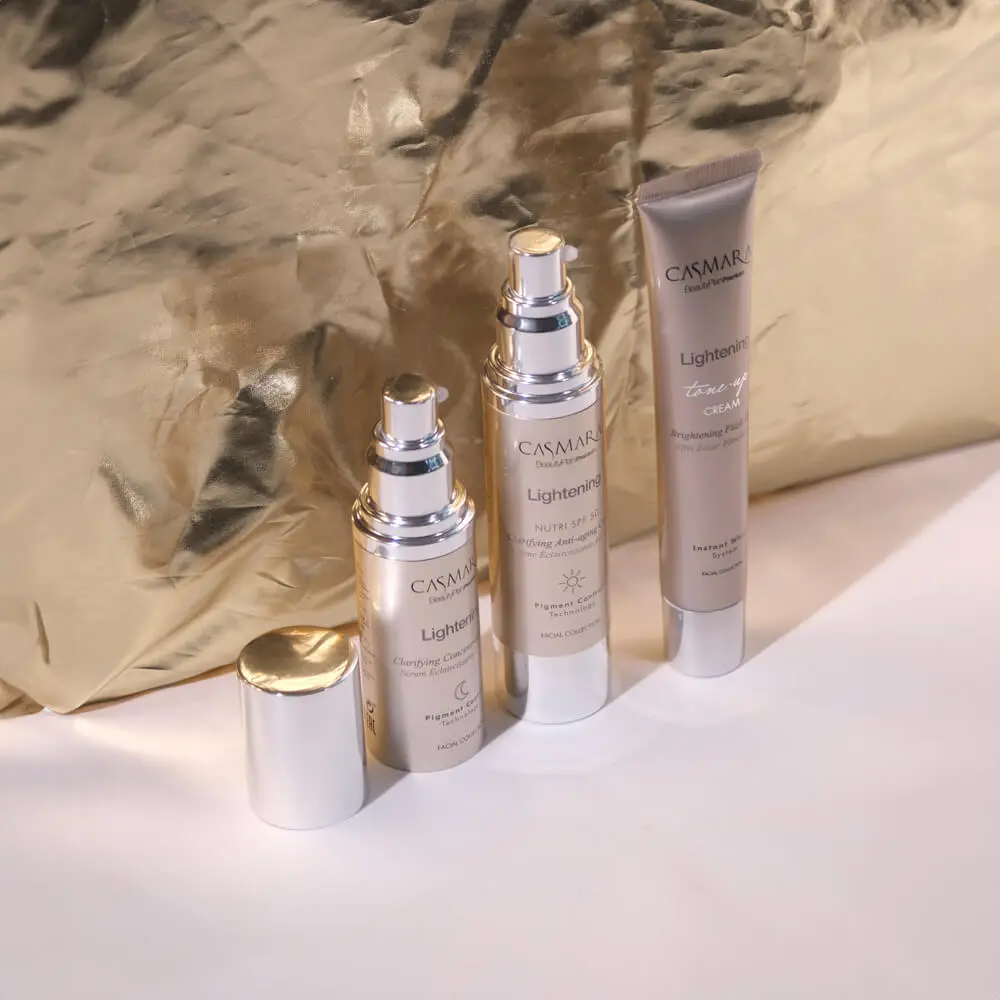
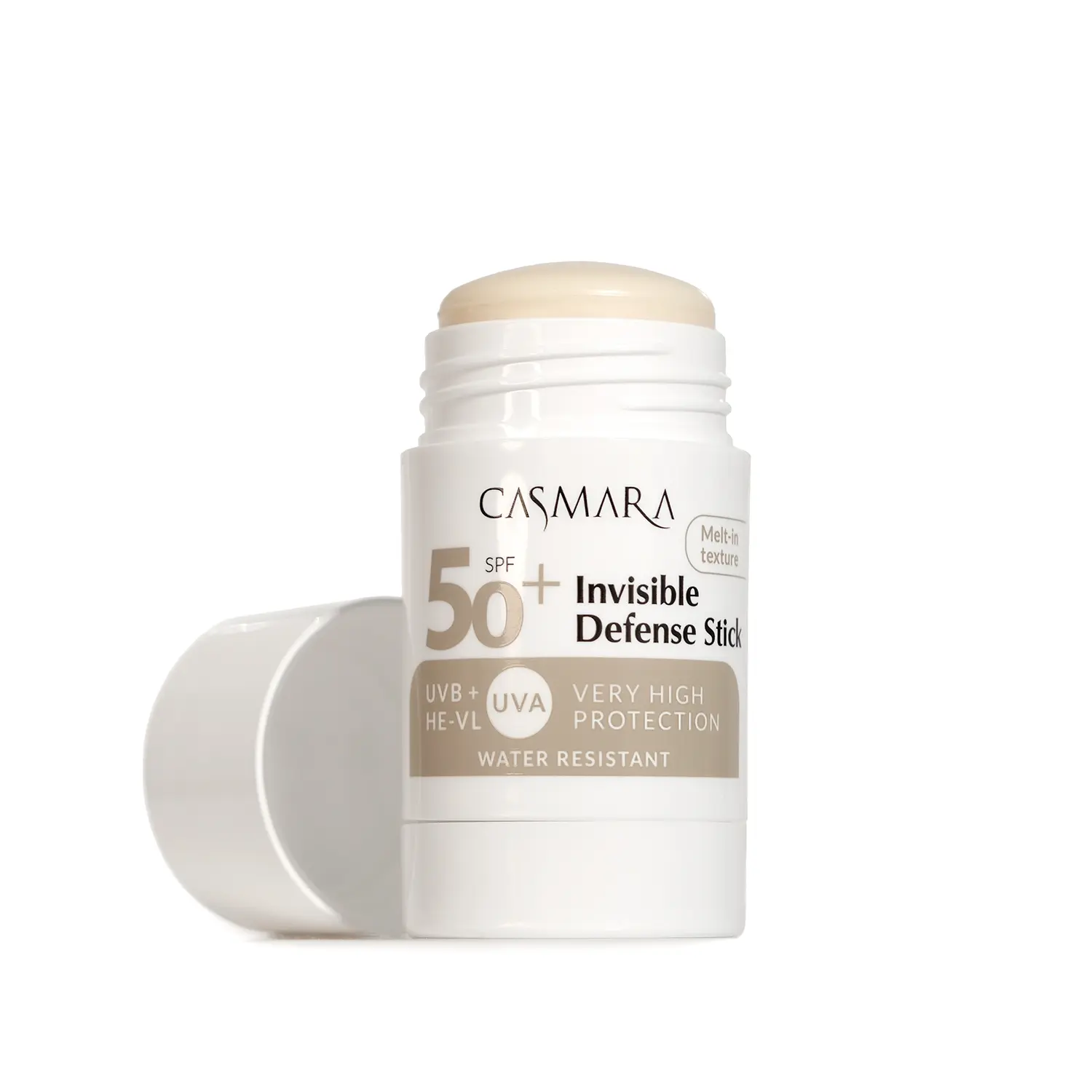
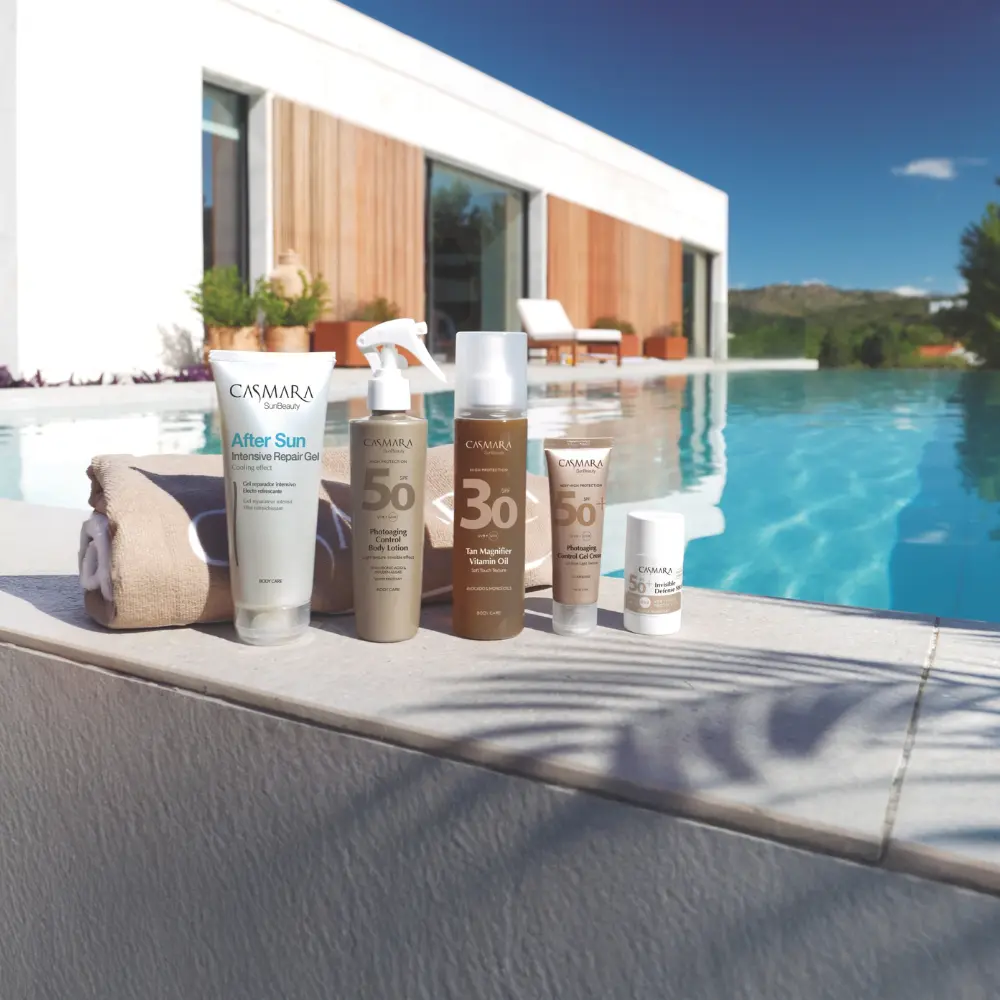
For those concerned with preventing signs of aging and protecting against the cumulative effects of sun exposure, the Sun Beauty Casmara range offers a combination of advanced sun protection and intensive skincare.
These formulas are designed to help protect against photoaging while maintaining hydration, comfort, and a healthy-looking complexion.
Enjoy the Sun Safely
Whether you choose SPF 30 or SPF 50, the most important thing is to use sun protection every day and reapply it whenever necessary.
Discover the Sun Beauty Casmara range and choose the product that best suits your lifestyle, for protected, radiant, and healthy skin in every season.